
Participating Countries
We are pleased to introduce the 30 countries that will perform beautiful traditional shows
from their respective nations at the 2025 Yeongdong World Gugak Expo.
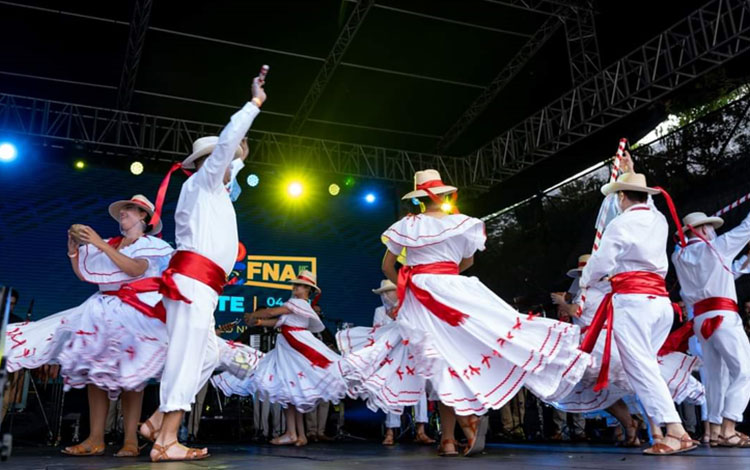
Founded in 1973 by Leda Segura Rodríguez, Mi Linda Costa Rica Folkloric Ballet is dedicated to preserving and promoting Costa Rica's cultural heritage through its traditional music and dance. The ballet showcases Costa Rica's unique cultural identity and outstanding natural resources, offering performances that combine folk traditions with modern interpretations. Mi Linda Costa Rica has represented Costa Rica in Europe, Asia, and the Americas, spreading the spirit of Costa Rican culture worldwide.
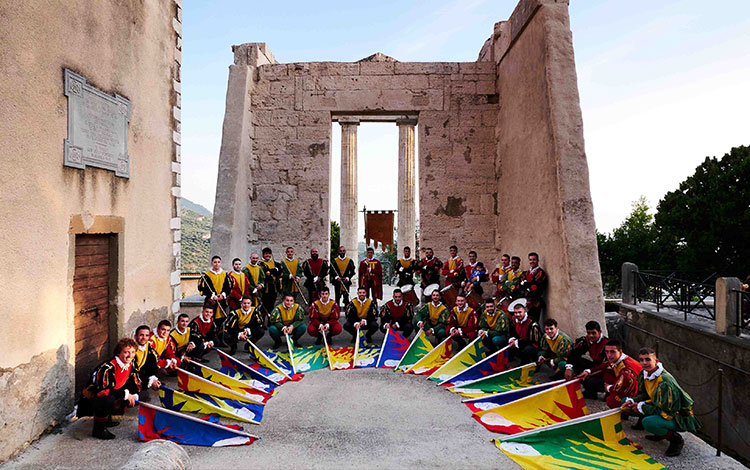
Sbandieratori del Leone Rampante di Cori is an Italian flag performance group founded in 1970 that continues the art of ancient flag games. Dressed in splendid 16th-century costumes, they perform elegant flag maneuvers to live music, performing actively worldwide. They also represented Italy at the Folkloriada (World Folk Olympics) in 2012 and 2016. In addition to their performances, they are an influential group that contributes to local culture and social projects.
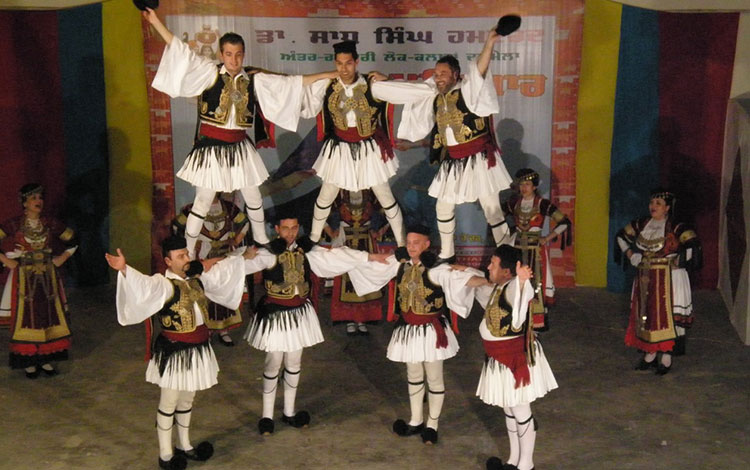
Founded in 1960 in Karditsa, Thessaly, the folk ensemble "KARAGOUNA" celebrates the region's rich cultural heritage. Named after the local women, the group is dedicated to preserving authentic Greek traditions, including traditional jewelry and costumes. With over 300 members of various ages, they uniquely perform ancient customs and folk songs from Karditsa and throughout Greece. Over 65 years, they have performed more than 700 times worldwide and have represented Greece twice at FOLKLORIADA.
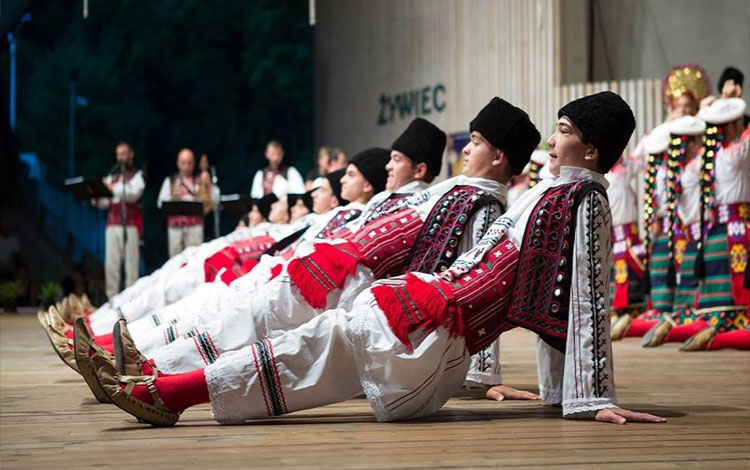
Founded in 2007, the Plamache Ensemble trains over 200 young dancers aged 4 to 18 and is dedicated to preserving and promoting Bulgarian folk dance and music. The ensemble showcases Bulgaria's cultural heritage with performances that combine creativity and authenticity. Since 2011, they have represented Bulgaria on the international stage, participating in over 300 performances and major cultural events. In 2021, they proudly represented Bulgaria at the 6th CIOFF International Folklore Festival in Ufa, Russia.
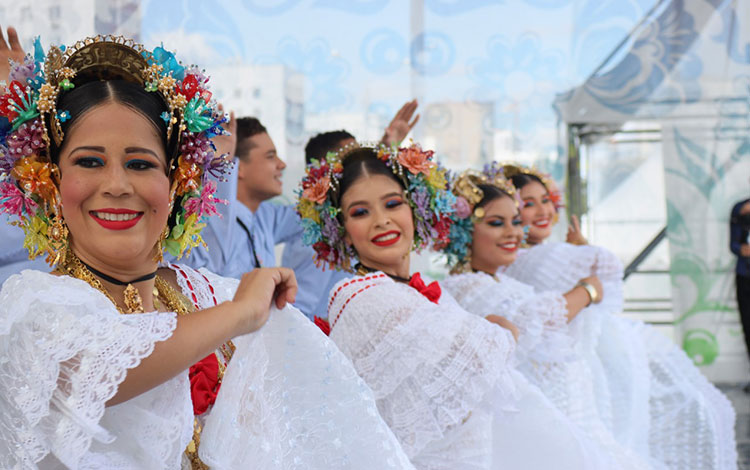
Founded in 1987, the José Corella Folkloric Projections Academy plays an important role in preserving and promoting Panama's folk heritage. Since 2011, they have been a member of CIOFF Panama, performing internationally over 30 times in 90 cities across 22 countries. In 2021, they also participated in the CIOFF World Folk Festival in Ufa, Russia, introducing Panamanian traditions to the world. With a 37-year history, the academy has educated over 175 students and actively participates in workshops and cultural events to engage with the local community.
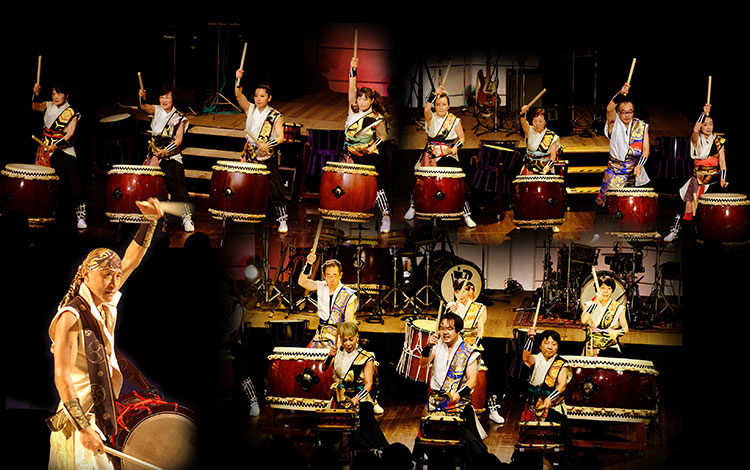
Founded in 2023 by Hiro Hayashida, Emotional Taiko Japan (formerly Emotional Taiko Project) is a Japanese Taiko performance group. The group brings together passionate and dedicated amateur Taiko players from across Japan with the goal of sharing genuine emotion and connecting hearts through Taiko. Participants from various regions come together, prepare for performances collaboratively, and form a bond through music.
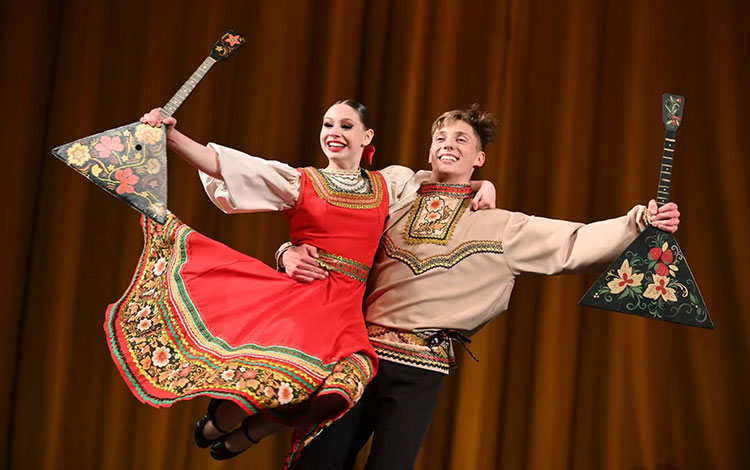
Founded in 2005, Nevsky Dawns is one of Russia's most prominent national dance ensembles. The core group consists of 25 members, and the full ensemble comprises 300 young artists aged 7 to 25. They have a repertoire of about 30 traditional Russian folk dances and perform wearing a variety of traditional costumes from different regions.
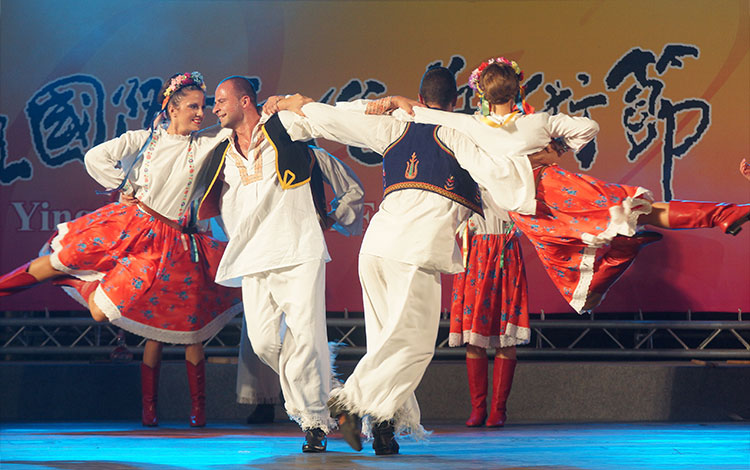
The Dimitrije Tucović Cultural and Arts Association, founded 45 years ago in Belgrade, is a member of CIOFF. The ensemble has received international recognition, including winning first place at the World Dance Competition in South Korea and the prestigious “Matija Ban” award in their region. They have showcased Serbian traditional dance worldwide, earning numerous awards at various international festivals, including a performance at Carnegie Hall. The group has over 750 members and holds two large-scale performances annually.
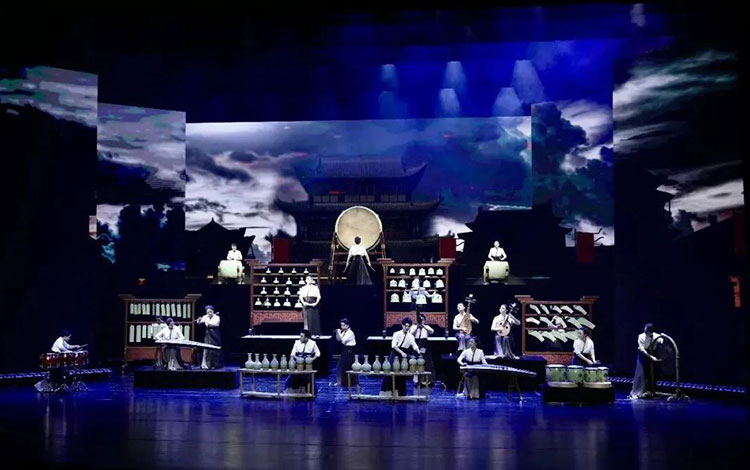
The Cishi Celadon Music Group is an arts organization located in Cishi City, China, dedicated to preserving its unique traditions. This group's art form, with roots tracing back to the Tang Dynasty, is special because it uses celadon ceramics as musical instruments. The ensemble has been invited to major international events such as the APEC meeting and the Shanghai Expo. They are actively touring more than 20 countries, spreading the charm of traditional Chinese culture worldwide.
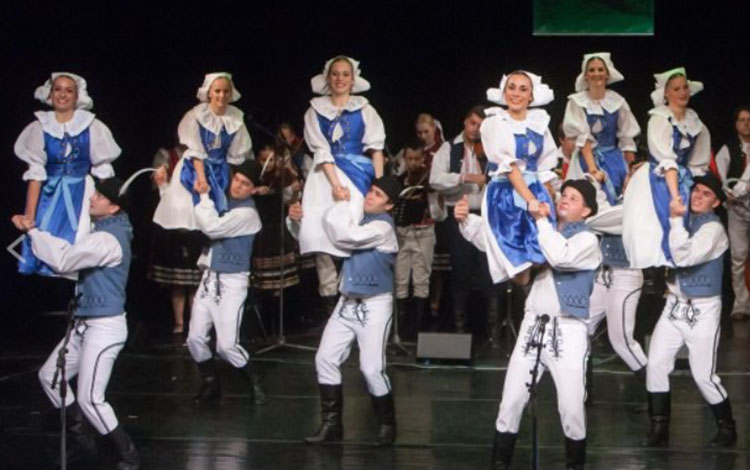
Founded in 1943, the VSACAN Ensemble is one of the oldest amateur folk arts groups in the Czech Republic, dedicated to preserving and promoting the traditional songs, dances, and customs of the Wallachia region. Based in Vsetín, the group consists of about 200 members of all ages. Since their first overseas performance in England in 1956, they have toured more than 20 countries, introducing the rich cultural heritage of Wallachia to global audiences through various media, including radio, television, and film.
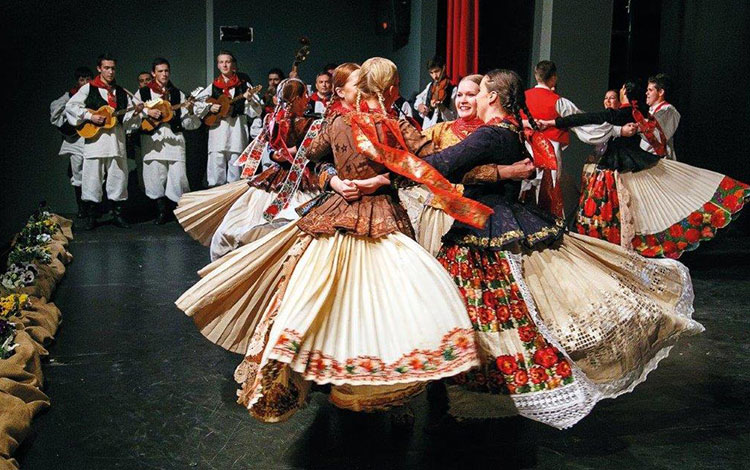
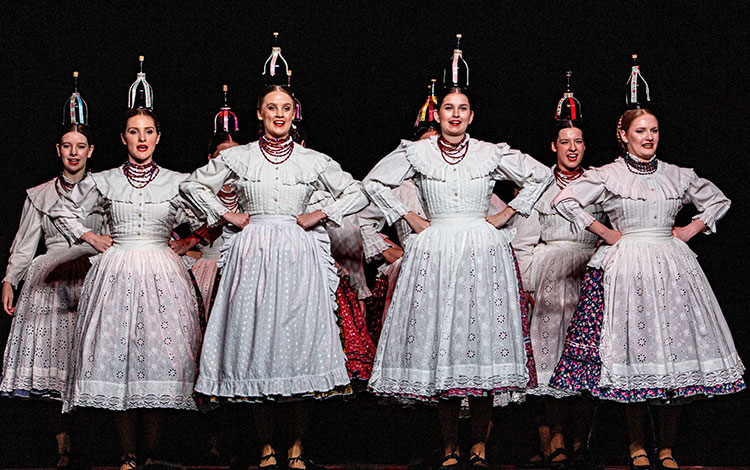
Founded in 1920, the Ogranak Seljacke Sloge Busevec is a leading Croatian folk arts group with about 200 members ranging from 5 to 80 years old. They promote Croatian culture at home and abroad through over 70 annual performances, showcasing dance, music, theater, and traditional culture preservation activities. The group hosts major events such as the International Children's Folk Festival and the Traditional Instrument Festival, and they are also at the forefront of historical preservation, including restoring traditional costumes and jewelry and relocating wooden houses. They were recently named the best amateur folk group in Croatia.
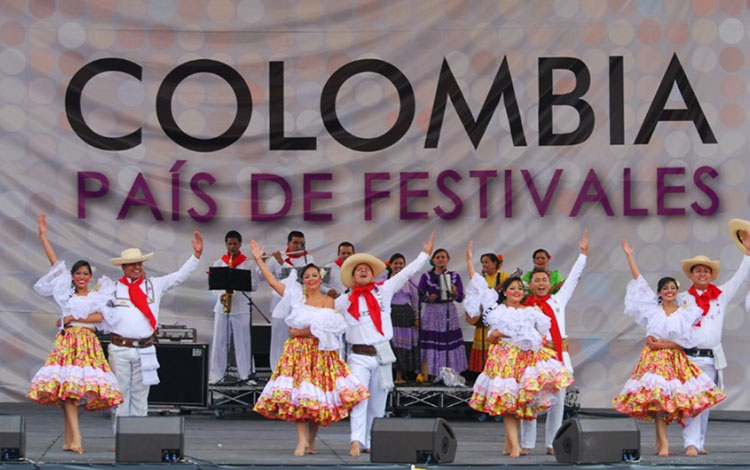
The folk arts group 'Los Opitas' has over 30 years of experience. Composed of young members aged 15 to 49, they have been preserving and promoting the rich cultural heritage of Huila and Colombia through traditional dance and music since 1994. They focus on preserving and developing folk rhythms such as Sanjuanero, Rajareña, Bambuco, Rumba, and Merengue Campesino, respecting the artistic and cultural expressions of the Huila people. In collaboration with the music group Son Caoba, they celebrate the spirit of various traditions and festivals throughout the year, strengthening the cultural identity of their community.
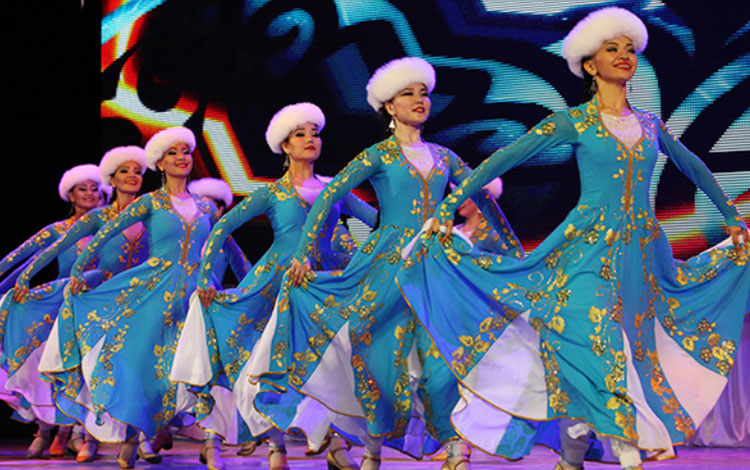
Founded in 2007 at the National Academic Philharmonic Hall under the Akimat of Nur-Sultan City, the Shallkyma traditional dance ensemble operates under the guidance of Abdurasul Nazhimedenov Esekeev, a distinguished choreographer, Honored Artist of Kazakhstan, and recipient of the Order of Honor. The ensemble is composed of dancers who have been professionally trained at leading arts educational institutions in Kazakhstan. They introduce the customs and culture of the Kazakh people to the audience through a variety of traditional dances, including "Shattyk," "Sholpi," and "Akku."
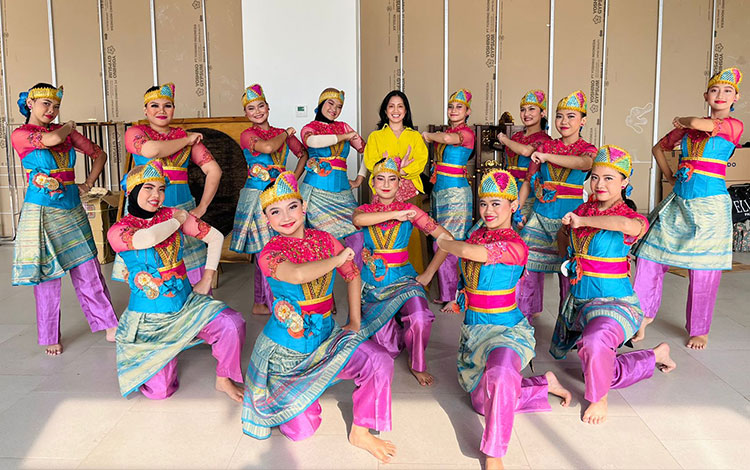
An arts organization located in the Sijunjung region of West Sumatra, Indonesia. The group educates students in Indonesian traditional and contemporary dance and music, offers various dance and music programs, and strives to express traditional and modern Indonesian art. They also support local cultural and artistic activities by providing dance costume rentals and makeup services.
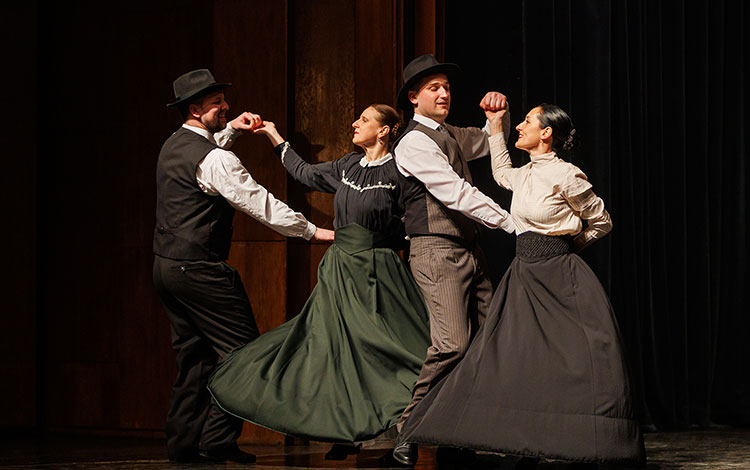
ounded in 1957, the Dragatuš Folk Arts Ensemble is based in the small village of Dragatuš in the Bela Krajina region of Slovenia. With about 60 members, the group passionately and diligently preserves local traditions. They study the customs of their ancestors and perform with traditional instruments such as the accordion, violin, and tamburica, wearing white costumes for everyday occasions and dark ones for special events like weddings and festivals. They present various traditional dances typical of the Bela Krajina region from the late 19th to early 20th century, including polkas, waltzes, and round dances.
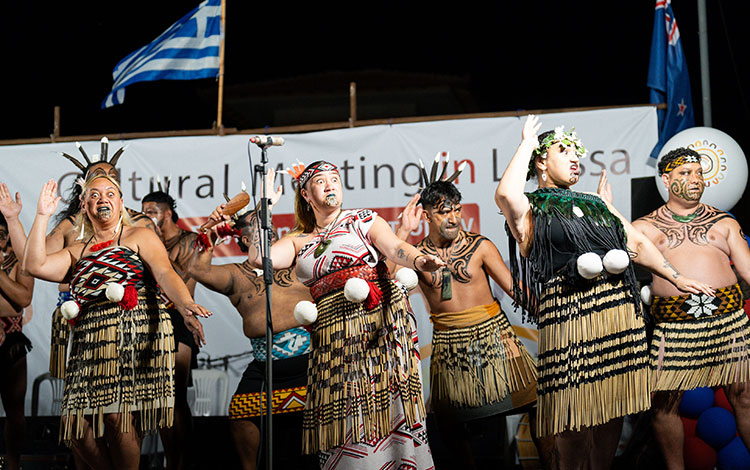
WHEIAO HAKA is a prominent Maori performance group in New Zealand dedicated to preserving and promoting the rich cultural heritage of the Maori people. Their performances are composed of various traditional elements, including the sacred welcoming ceremony Karanga, the choral song Waiata Tira, ancient chants Mōteatea, hand-motion dances Waiata-a-ringa, and the powerful Haka traditional dance. They also skillfully incorporate elegant Poi dances, traditional weapon demonstrations, and a harmonious blend of indigenous instruments with modern guitars.
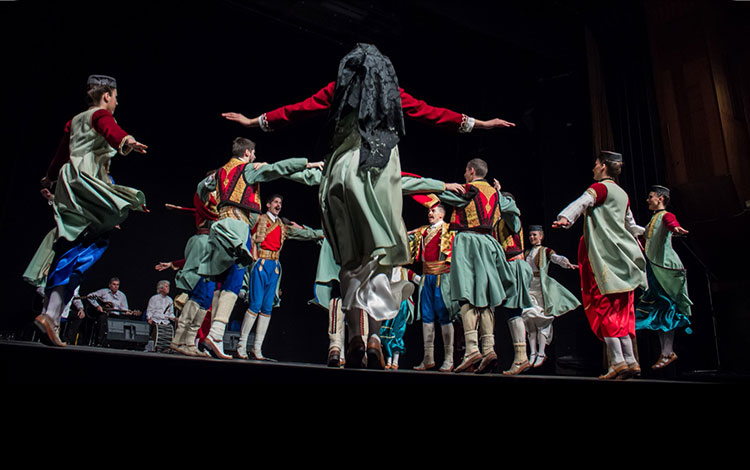
“Crna Gora” is the local Montenegrin name meaning 'Black Mountain'. Founded in 2000, the ensemble is dedicated to preserving and promoting the rich heritage of Montenegrin folk dance, song, and music. Representing Montenegro, a country proud of its beautiful natural scenery and profound cultural history, this ensemble presents performances that reflect the diverse traditions and historical influences of different regions. Their performances, featuring vibrant costumes, authentic music with traditional instruments, and dynamic choreography, have earned recognition at various folk festivals across Europe and the Middle East.
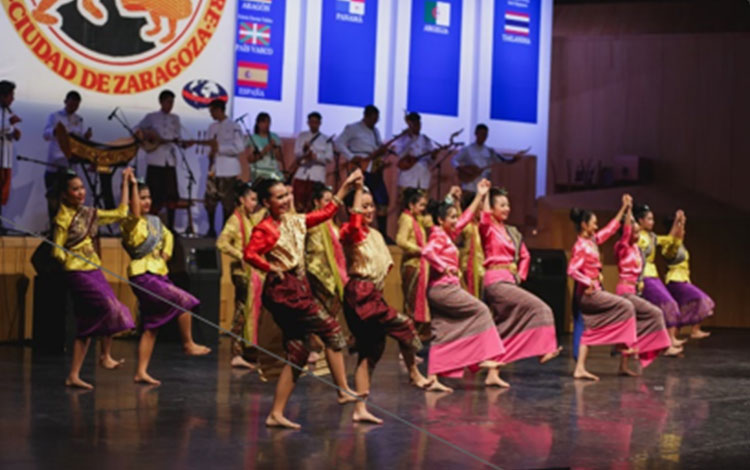
Founded in 2011 by Dr. Duangnapa Srinuntawong of Silpakorn University, the Samdang Silpa Ensemble is a Thai contemporary arts and culture group. The ensemble's goal is to introduce Thai music and dance to the international stage. It was originally called 'Satit Silpakorn Folkdance Group' after Dr. Duangnapa's previous institution, Satit Silpakorn, but was renamed to its current name in 2024 when she moved to the Faculty of Education.
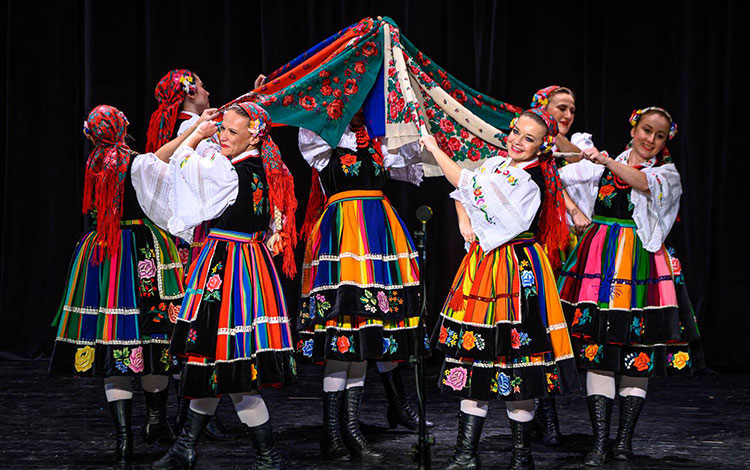
The Świerczkowiacy Traditional Arts Ensemble, located in Tarnów, Poland, has been dedicated to preserving and promoting Polish folk culture for over 62 years. They cherish and take pride in their traditions, actively spreading their culture far and wide. The group performs dances and music from various regions, focusing on the Małopolska region. They are also actively involved in educational activities, folk research, and collaborations with experts. As a member of the International Folklore Organization (CIOFF), they have represented Poland in 150 cities across 20 countries and have won more than 35 awards. They are currently active under the Art Center of Mościce, a part of the Małopolska Voivodeship.
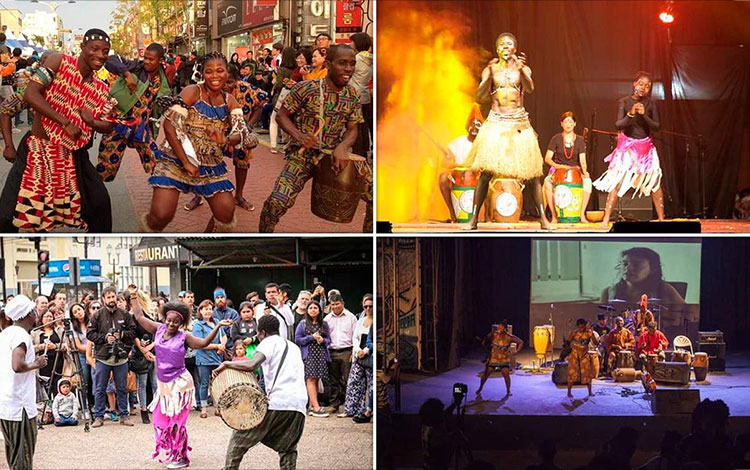
SHEBRE, meaning 'destiny', is a traditional music and dance group based in Accra, Ghana, founded by Peter Asenyoh in 2001. Composed of about 45 dedicated members, the group authentically expresses the rich cultural heritage of Africa and Ghana through music and dance using traditional handcrafted instruments. They also fulfill their social responsibility by being the sole sponsor of RENEW GHANA, a non-governmental organization that works for road safety and life protection in collaboration with the Ghana National Road Safety Commission.
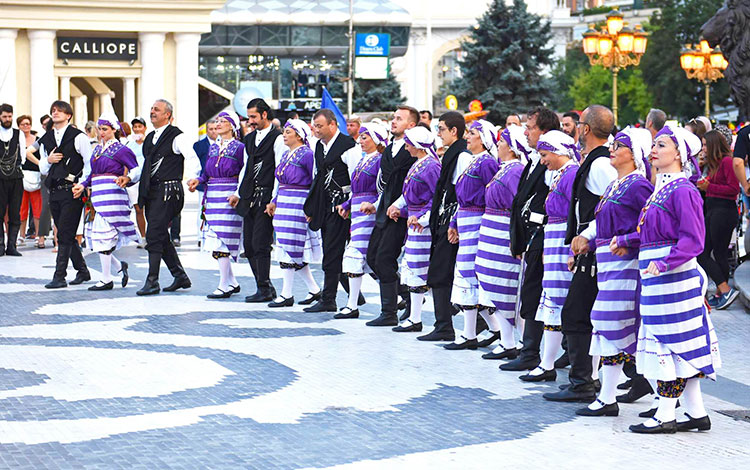
PENHAD was founded in 1984. With 29 years of international experience, PENHAD strives to introduce Turkish folk traditions to people all over the world, in line with the ideals of Atatürk, the founder of the Republic of Turkey. PENHAD represents different regions of Turkey, showcasing various forms of Turkish folk dance. Since its establishment, we have been regarded as a leader in the Turkish folk dance association, having educated thousands of people. We can perform a variety of dances from the seven regions of Turkey.
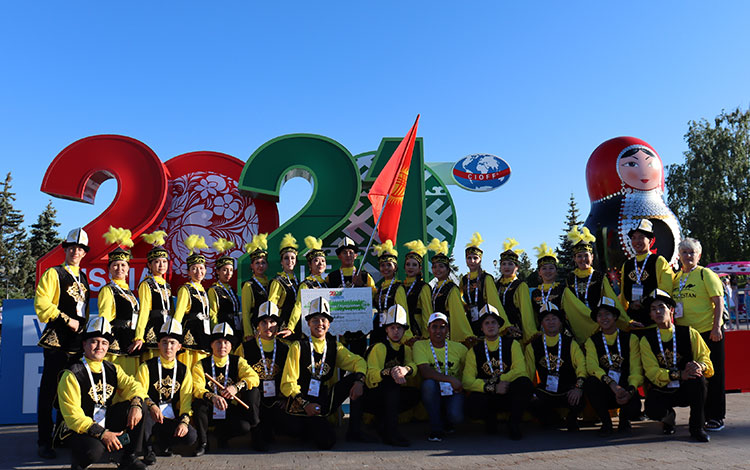
The “Adis” ensemble was established in 2001 based on the dance department of the 4th branch of the Kyrgyz Children's School of Arts. It consists of over 300 teachers, outstanding students, and graduates aged 4 to 35. The ensemble presents a diverse range of Kyrgyz traditional folk dances, contemporary dances, and dances from various countries around the world. “Adis” consistently participates in major national cultural events such as Independence Day, Nowruz Festival, and International Children's Day, and has received numerous awards and recognitions at various international festivals and competitions in the CIS region since 2002.
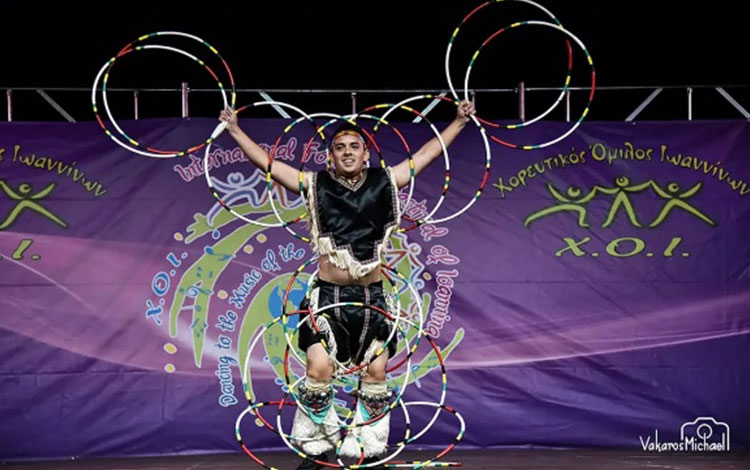
“Ahuna Ohana” means 'family' and is a family group that has been introducing and performing the cultures of Polynesian regions such as Hawaii, Samoa, Tahiti, New Zealand, and Native Americans worldwide at their own expense since 1983. They showcase the beautiful Hawaiian hula dance and ukulele performance, the tones of the Hawaiian steel guitar invented by the Ahuna Ohana ancestors, the fast drum dances of Tahiti, the intricate Poi dances of New Zealand, and the thrilling fire knife dances of Samoa. They also express various shapes from nature, such as flowers, butterflies, and birds, through the Navajo Indian's 22-hoop dance.
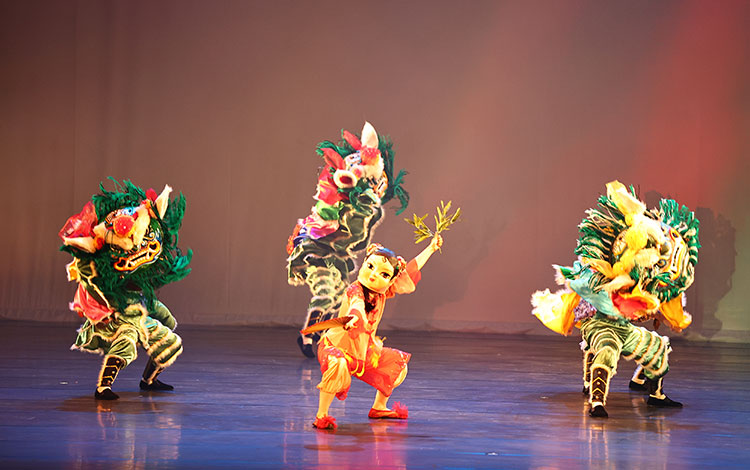
Founded in 1996 in Tainan, Taiwan, the YiTzy Folk Dance Theatre has gained international recognition by participating in international folk festivals in countries such as Belgium, Germany, Indonesia, Italy, Korea, Portugal, Spain, Switzerland, and the United Kingdom. For this performance, they will showcase various traditional dances on the theme of traditional Taiwanese festivals and temple events, including the Twelve Grandmothers procession, jumping drum dance, land boat dance, and a combination of lion, dragon, and phoenix dances.
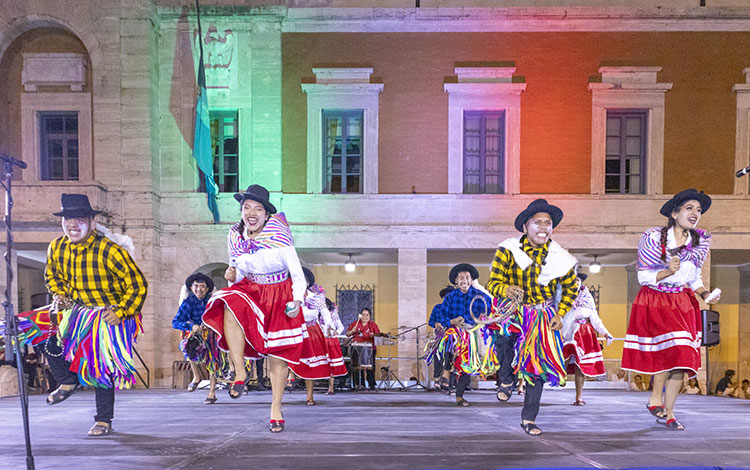
C.I.D.A.N. (Center for the Investigation and Dissemination of Indigenous Arts) Mi Perú is a non-profit cultural organization founded on November 15, 1985, and officially recognized by the Peruvian Ministry of Culture as a cultural hub. The group is dedicated to promoting Peruvian music and dance at various national and international events. It is overseen by the renowned folk arts educator Anita Zapata Flores, with Martín Arauco Paredes serving as artistic director. He has an outstanding artistic career spanning 50 years and has been recognized and awarded at many festivals worldwide.
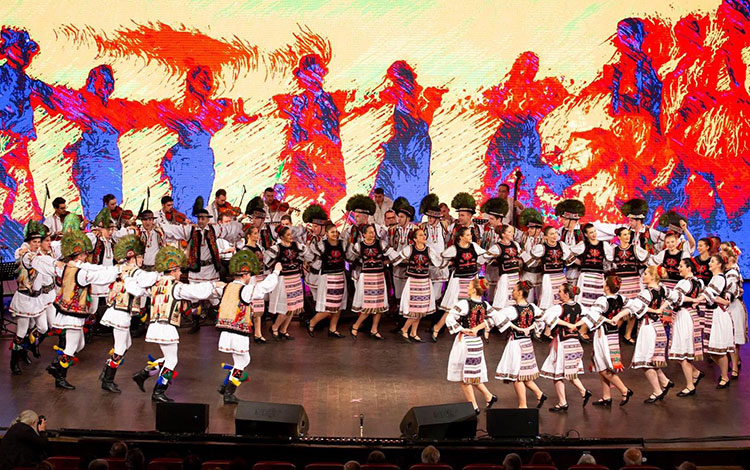
The Cluj-Napoca Student Folk Arts Ensemble is one of the most outstanding arts groups in all of Romania. Despite being composed of amateur members, it is highly regarded for its originality and exceptional artistry that fully captures the tradition and creativity of the Romanian people. Founded in 1957, the “Martisorul” folk arts ensemble has consistently participated in all student folk festivals in Romania since its inception. The orchestra consists of 10-20 musicians, all of whom are students at the "Gheorghe Dima" Music Academy and renowned professors and performers in the field of Romanian folk music.
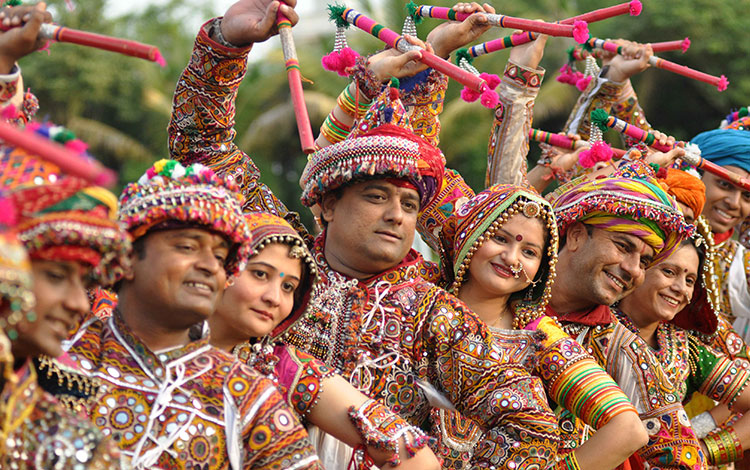
The Panghat Performing Arts Group is recognized by the Ministry of External Affairs in New Delhi, India, and is a member of the International Council of Organizations of Folklore Festivals and Folk Arts (CIOFF) India. It is also officially registered with the Department of Youth and Cultural Activities in Gandhinagar, Gujarat. The group performs 25 different traditional Indian folk and tribal dances from Gujarat and other regions in authentic styles, music, dance, and costumes. It is composed of dancers and musicians who have been trained for many years and actively performs both domestically and internationally.
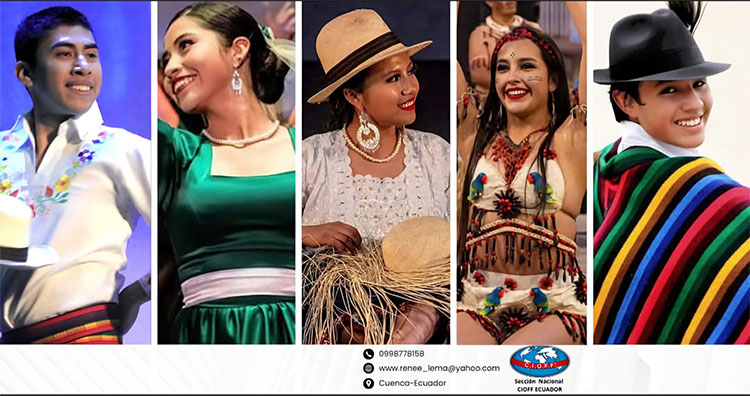
Founded in 2007 in Cuenca, Ecuador, the LLACTAPI JATARISHU Folk Ballet takes its name from the Kichwa phrase meaning 'we rise among the people'. Under the guidance of Cultural Manager René Lema Gerver, the group preserves and develops traditional dance and organizes the 'International Festival of World Traditions and Cultures'. As an active member of CIOFF-Ecuador, this ballet has served as a cultural ambassador representing Ecuador at international dance festivals in various countries, including Peru, Brazil, Mexico, and Korea.
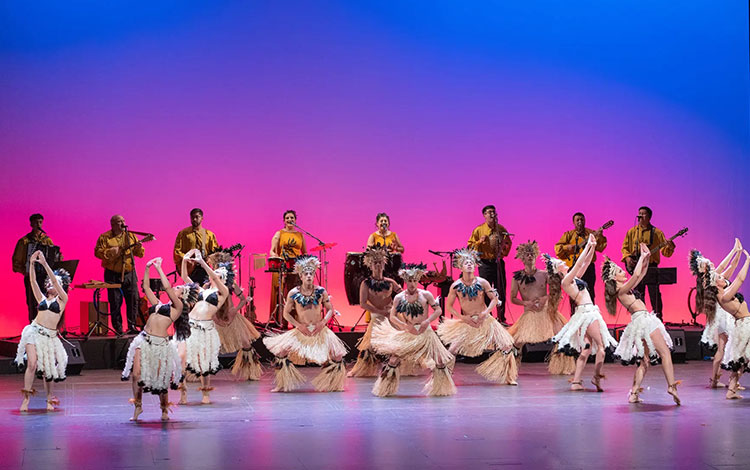
Tupa Marka, meaning 'meeting of the peoples' in the Aymara language, was founded in Puerto Montt in September 2007. Over its 16-year history, the dance group has performed at the most important cultural events in the region and the country. This independent arts group consists of 14 dancers and 7 musicians and also operates a practice group and educational academy for ages 6 to over 18.